



Imagine having the right support while enjoying greater choice, freedom, and control in your daily life. That’s exactly what NDIS Supported Independent Living (SIL) aims to provide.
If you or a loved one is exploring living arrangements through the NDIS, understanding how Supported Independent Living works can make the decision-making process much easier. This guide explains the essentials simply and practically.
For those exploring NDIS Supported Independent Living Forest Lake, understanding the key features and benefits of SIL can help make the journey towards greater independence more informed and confident.
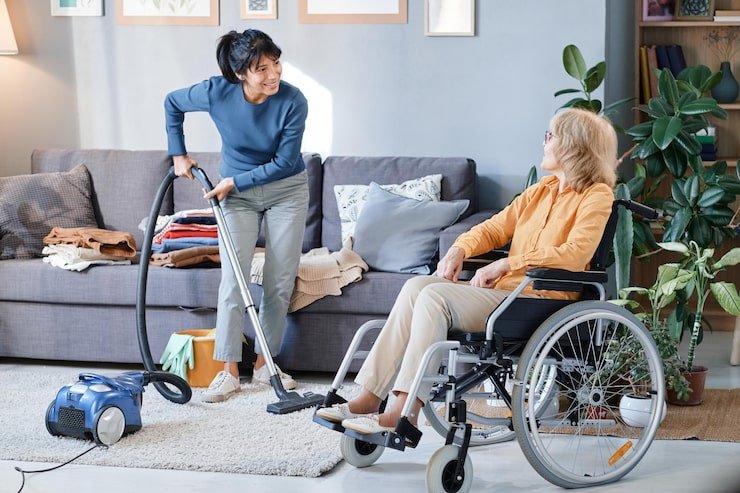
What Is NDIS Supported Independent Living?
NDIS Supported Independent Living (SIL) is a support arrangement that helps eligible NDIS participants live as independently as possible while receiving assistance with everyday tasks.
These supports may include help with:
- Personal care
- Meal preparation
- Household tasks
- Daily routines
- Community participation
- Building life skills
The level of support depends on individual goals and everyday needs.
Why Is Supported Independent Living Important?
Supported Independent Living encourages greater independence, confidence, and participation in everyday life.
Rather than focusing only on assistance, SIL supports people to develop practical skills, make choices, and enjoy a more fulfilling lifestyle.
For people considering NDIS Supported Independent Living Forest Lake, understanding the available support options can help identify the most suitable living arrangement.
1. SIL Funding Covers Support, Not Rent
One of the most common misunderstandings is that SIL funding pays for accommodation.
The reality is different.
SIL funding generally covers the support provided within the home, while residents are usually responsible for expenses such as:
- Rent
- Utilities
- Groceries
- Everyday personal expenses
Understanding this distinction can help avoid confusion during the planning process.
2. SIL Can Be Shared or Individual
Supported Independent Living is not a one-size-fits-all arrangement.
Depending on circumstances, participants may choose:
- Shared housing with others
- Individual living arrangements
- Different support levels throughout the day
Many people exploring NDIS Supported Independent Living Sunnybank Hills appreciate the flexibility available when selecting a suitable home environment.
3. Support Levels Vary
SIL supports are designed around individual circumstances.
Common support levels include:
Lower Support
Assistance provided during certain times of the day.
Moderate Support
Regular support throughout daily routines.
Higher Support
Ongoing assistance, including overnight support where required.
The goal is always to help participants achieve greater independence while maintaining safety and well-being.
4. SIL Focuses on Building Everyday Skills
Supported Independent Living is about more than receiving assistance.
It also helps participants strengthen important life skills such as:
- Cooking
- Cleaning
- Budgeting
- Shopping
- Personal organisation
- Community engagement
People accessing NDIS Supported Independent Living Forest Lake often value opportunities to build confidence and practical skills for everyday living.
5. Eligibility Is Based on Individual Needs
Who Can Access SIL?
SIL funding is generally considered when a participant requires significant support with daily activities.
The NDIS assesses factors such as:
- Daily support requirements
- Living arrangements
- Functional capacity
- Long-term goals
Every application is assessed individually, ensuring support aligns with actual needs.
6. SIL Encourages Greater Choice and Control
A key benefit of Supported Independent Living is the ability to make decisions about everyday life.
This may include choices about:
- Daily routines
- Social activities
- Household responsibilities
- Personal goals
For individuals considering NDIS Supported Independent Living Sunnybank Hills, this increased choice often contributes to a stronger sense of independence and confidence.
7. Finding the Right Home Matters
The right living environment can make a significant difference.
When evaluating SIL options, consider:
- Location
- Compatibility with housemates
- Available supports
- Accessibility features
- Lifestyle preferences
Those researching NDIS Supported Independent Living Forest Lake should carefully assess how a home supports both current and future goals.
Common Concerns About NDIS Supported Independent Living
Is SIL the same as accommodation?
No. SIL generally funds support services provided within the home, while accommodation costs are usually separate.
Can SIL support skill development?
Yes. SIL is designed to encourage independence by helping participants build practical everyday skills.
Is Supported Independent Living available in different locations?
Yes. SIL arrangements are available across many communities, including areas such as NDIS Supported Independent Living Sunnybank Hills and surrounding regions.
Final Thoughts
NDIS Supported Independent Living offers more than everyday assistance. It creates opportunities for greater independence, skill development, community participation, and improved quality of life.
Understanding how SIL funding works, the support levels available, and the importance of choosing the right living environment can help participants make informed decisions. Whether you’re exploring options for yourself or a family member, having clear information is the first step towards achieving greater confidence and independence.
For genuine support and care, contact 7 Care Disability Services today!
Frequently Asked Questions (FAQs)
2. Who is eligible for SIL funding?
Eligibility is determined by the NDIS based on a participant’s support requirements, living circumstances, and goals. Funding is typically considered when significant daily support is required.
3. Does SIL funding pay for rent?
No. SIL funding generally covers support services provided within the home. Rent, groceries, utilities, and other personal living expenses are usually paid separately.
4. Can I share a home with others through SIL?
Yes. Many Supported Independent Living arrangements involve shared housing where residents receive support while enjoying their own space and independence.
5. What support is available through NDIS Supported Independent Living Forest Lake?
Support options may include assistance with daily routines, personal care, meal preparation, household tasks, and skill-building activities that encourage greater independence.
6. How does NDIS Supported Independent Living Sunnybank Hills help with everyday living?
Supported Independent Living can provide practical assistance while helping participants develop skills such as cooking, budgeting, household management, and community participation.
7. Can SIL include overnight support?
Yes. Depending on individual circumstances, SIL may include overnight assistance or 24-hour support arrangements where required.
8. How do I know if NDIS Supported Independent Living Forest Lake is right for me?
A suitable SIL arrangement depends on your goals, support requirements, preferred living environment, and long-term aspirations. Professional assessments can help determine the best option.
9. Are there different levels of support in NDIS Supported Independent Living Sunnybank Hills?
Yes. Support levels can vary from occasional assistance to comprehensive daily and overnight support, depending on individual requirements.
10. What should I consider when choosing NDIS Supported Independent Living Sunnybank Hills?
Important considerations include location, accessibility, support availability, household compatibility, lifestyle preferences, and opportunities for developing greater independence.
